In This Issue:
- Fall Begins with Seasonal Produce
- World Alzheimer’s Month (Signs, Symptoms, & Support)
- National Whole Grains Month
- Malnutrition Awareness Week (& How To Recognize It)
Feelin’ Fall
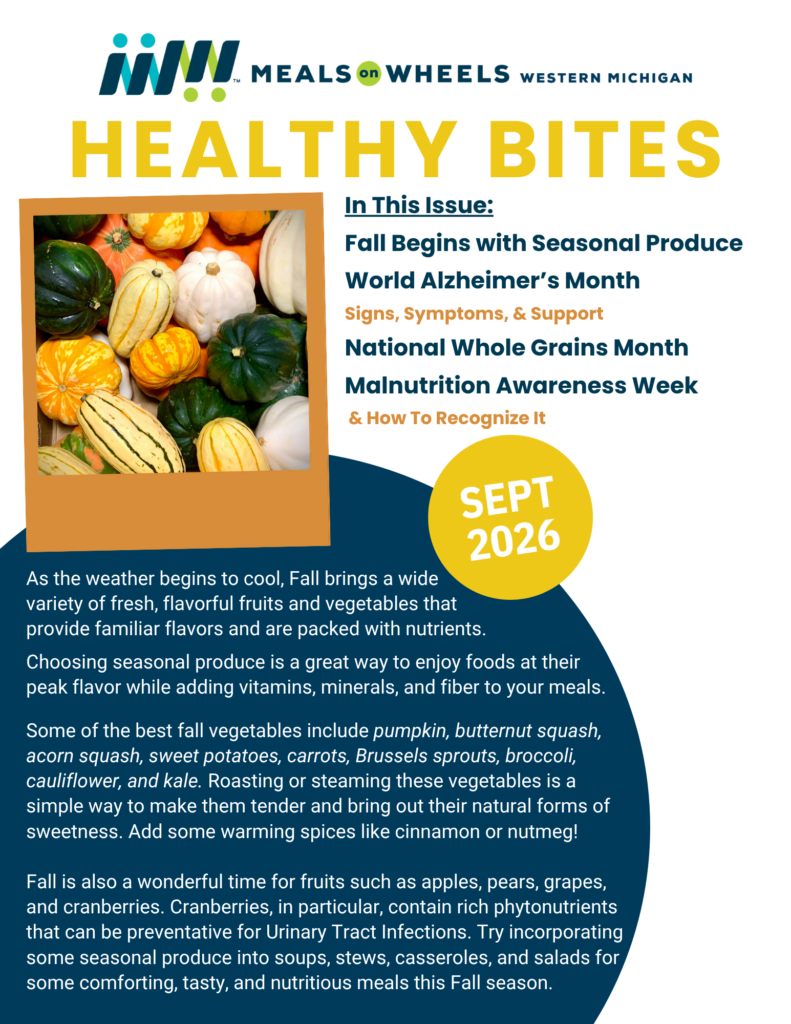
As the weather begins to cool, Fall brings a wide variety of fresh, flavorful fruits and vegetables that provide familiar flavors and are packed with nutrients. Choosing seasonal produce is a great way to enjoy foods at their peak flavor while adding vitamins, minerals, and fiber to your meals.
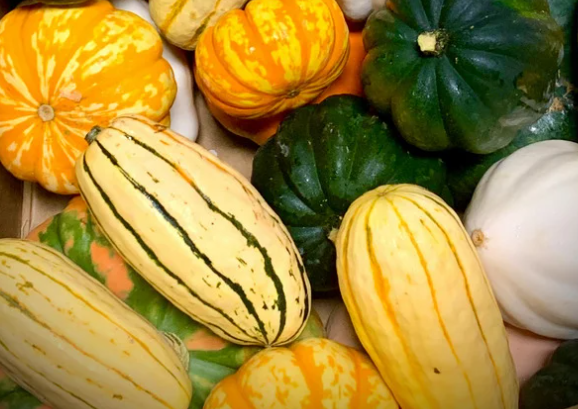
Some of the best fall vegetables include pumpkin, butternut squash, acorn squash, sweet potatoes, carrots, Brussels sprouts, broccoli, cauliflower, and kale. Roasting or steaming these vegetables is a simple way to make them tender and bring out their natural forms of sweetness. Add some warming spices like cinnamon or nutmeg!
Fall is also a wonderful time for fruits such as apples, pears, grapes, and cranberries. Cranberries, in particular, contain rich phytonutrients that can be preventative for Urinary Tract Infections. Try incorporating some seasonal produce into soups, stews, casseroles, and salads for some comforting, tasty, and nutritious meals this Fall season.
Spotlight On: Malnutrition Awareness Week
What exactly is malnutrition? Malnutrition can be thought of as an imbalance of nutrition and occurs when the body does not receive enough nutrients, calories, protein, vitamins, or minerals to continue to function properly. Interestingly, malnutrition can occur at any weight. Although it can affect people of any age, older adults are at greater risk due to changes in appetite, medical conditions, various medications, dental problems, and difficulty preparing meals. Recognizing the signs of malnutrition early is important because it can lead to serious health problems if left untreated. What are some of the key signs to watch for?
- Unintentional weight loss. Losing weight without trying, especially over a short period of time, may indicate that a person is not eating enough or is not absorbing nutrients properly. It can also occur gradually, over the course of months of years. Because of this, it is important to identify a Usual Body Weight (UBW) and weigh yourself at least monthly to ensure that it is staying around this goal. If trends are noticed, talk to your doctor as soon as possible.
- Physical symptoms of malnutrition can vary, but most people will experience ongoing symptoms of fatigue, weakness, reduced strength, and sometimes a change in coordination. Wounds may heal more slowly, infections may become more frequent and last longer, and swelling (called edema) may start to occur in places like the legs and feet.
- Mental symptoms can develop as well as such as brain fog, memory problems, mood changes, and difficulty concentrating. Certain conditions such as diabetes, dementia, and cancer can increase risk.
If malnutrition is suspected, it is important to act promptly. The first step is to consult a healthcare provider for diagnosis and an appropriate intervention. A registered dietitian can also help to assess nutritional needs and develop a personalized meal plan that includes enough energy and nutrients. Caregivers play an immeasurable role in recognition and treatment, so please talk to someone if malnutrition is a possibility.
World Alzheimer’s Month
World Alzheimer’s Month takes place every September and is an international campaign from Alzheimer’s Disease International. This year’s theme is: The Earlier You Know, The More You Can Do: A Dementia Diagnosis Matters, highlighting the importance of
receiving an early diagnosis for earlier intervention.
Did you know that there many risk factors for an increased risk of dementia? Some include:
- Physical Inactivity
- Smoking
- Social Isolation
- Obesity
- Hypertension (High Blood Pressure)
- Diabetes
- Sustained Head Injury
- Depression
- Excessive Alcohol Consumption
- Air Pollution
As you might notice, some of these risk factors are more preventable than others. Genetics plays a large role. Unfortunately, the greatest risk factor for Alzheimer’s disease and other dementias is simply getting older. However, although age can increase risk, dementia is not considered to be a normal part of the aging process. Some great news is that some risk factors mentioned are modifiable. This means that these are areas that can be worked on right now.
Make it a goal this week to add one day or a few extra minutes of exercise onto your usual routine. It is recommended that adults aim for 150 minutes of moderate aerobic activity per week. Ensure that goals surrounding blood pressure, blood sugar, weight, and substance avoidance are being spoken about regularly with your doctor.
We know that social isolation is a modifiable risk factor for dementia, so let’s stay connected! For consistent and fun social connection, try out one of Meals on Wheels Western Michigan’s many Community Dining Sites.
Whole Grain Hype
What is all the hype around whole grains? Whole grains are an important part of a healthy diet because they contain all three parts of the grain: the bran, the germ, and the endosperm. Let’s break them down:
- The bran is the outermost layer of the whole grain and is rich in fiber, B vitamins, and minerals like iron. This part is removed in “refined” grains, like white rice and white flour.
- The germ is the nutrient-rich center of the grain that contains healthy fats, protein, and vitamins such as vitamin E. This part is removed during the refining process, too.
- The endosperm is the largest and most caloric part of the grain, containing carbohydrates, protein, and some vitamins and minerals. It is what is left after refining and is often easily digestible. Current nutrition guidelines recommend making at least one half of all grains consumed whole grains. Other delicious forms of whole grains to try include the following:
Amaranth, Barley, Brown Rice, Buckwheat Bulgar, Corn, Kamut, Millet, Quinoa Rye, Oats, Sorghum, and Wild Rice
Oatmeal, in particular, is one of the best sources of whole grains for older adults. It is soft, easy to chew, and simple to prepare, making it an excellent choice for those with dental or swallowing difficulties. Additionally, oatmeal contains a special type of soluble fiber, which has been shown to help lower LDL cholesterol and support heart health.
Try it out today in some of our newer, nutritious breakfast meals.
Simple Oven Baked Oatmeal
Prep Time: 5 min | Bake Time: 10 min | Servings: 8 (1 Slice Servings)
Ingredients
- 2 cups whole grain rolled oats
- 1 ½ c milk (regular or plant based)
- 2 medium ripe bananas, mashed
- 2 tbsp maple syrup, honey, or agave
- 1 tbsp ground flax seed
- 1 ½ tsp pure vanilla extract
- 1 tsp cinnamon
- 1 tsp baking powder
- 1 tbsp olive oil
- ½ tsp salt
- Optional: 1 c nuts or seeds (Pecans, Almonds, Walnuts, Sunflower, Pumpkin)
Recipe Adapted From: The Yummy Bowl
Directions
- Preheat oven to 375°F.
- Mix together all dry ingredients in one bowl.
- In a separate bowl, mix all wet ingredients. Let the mixture sit for about five minutes to thicken.
- Combine wet & dry ingredients. Gently stir in toppings.
- Pour into an 8×8 baking dish and bake for 30 minutes or until set in the center. Garnish with desired toppings.
- Store in an airtight container for up to 5 days and reheat for 30 – 60 seconds. Can be frozen individually.
- Enjoy with some drizzled nut butter or cold Greek yogurt